
If you own a pet lizard or plan on owning a pet lizard, one thing you might be considering is breeding and keeping your own feeder crickets.
It can be cheaper than buying them, after all, and just as rewarding to feed them to your pet lizard!
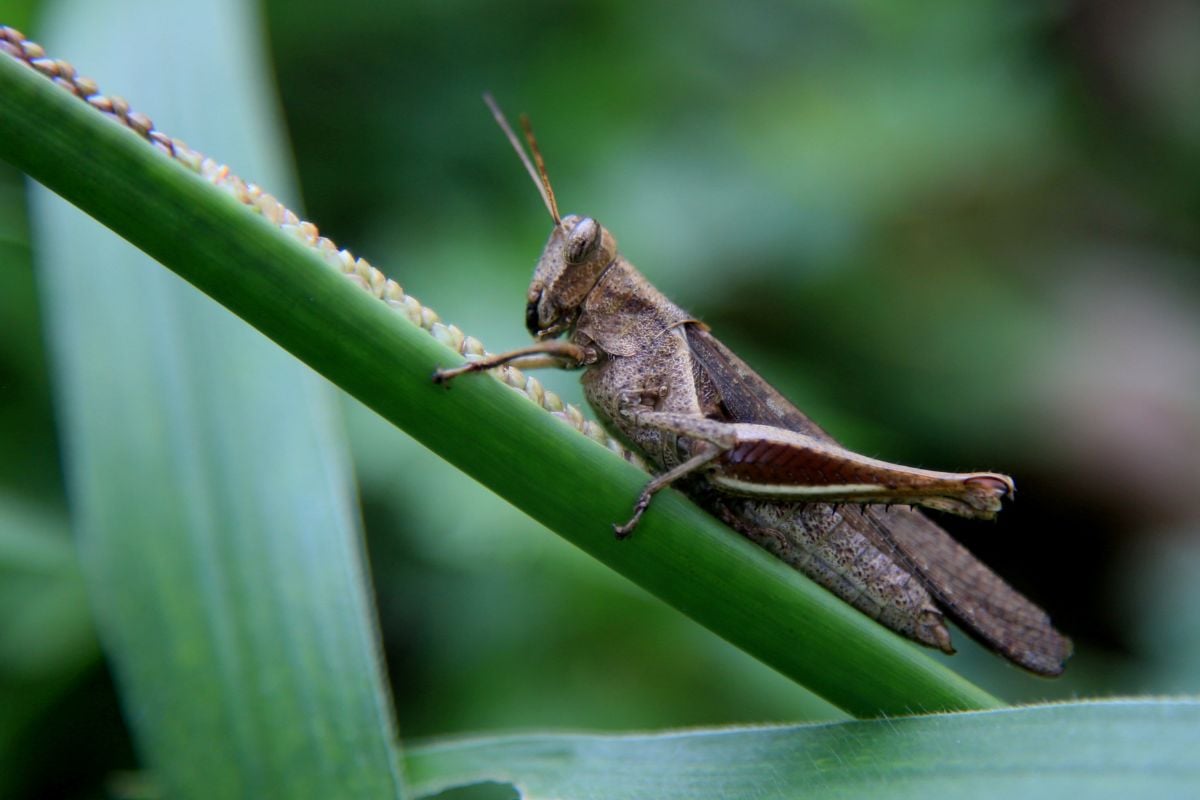
For lizard pet owners, these are called feeder crickets. They’re a great food source for almost all types of lizards, and can be bought or bred.
And if you’re thinking about doing the latter, you might be glad to know that breeding and looking after crickets is relatively easy.
In some ways, it can even be similar to taking care of your lizard, since crickets also require a tank, substrate, a certain temperature to thrive, and a regular feeding routine.
Despite that, crickets can also cause a nightmare if they escape, as well as lots of noise! So there are a few things to weigh up before deciding to keep crickets.
To help you care for crickets or decide whether keeping and breeding crickets is right for you, this cricket care sheet will tell you everything you need to know.
Tank
To house crickets, you’ll need a 10-gallon tank at the minimum. It should have plenty of floor space to place the food and water dishes your crickets will need, a secure lid, and ventilation holes.
It’s also worth covering the ventilation holes with mesh to prevent escape.
In general, though, it’s best to purchase a proper cricket tank. These have tubes, which make great hiding places for crickets, and also serve as distribution points for the crickets when you need to collect them for feeding to your lizard.
Substrate
You have a range of substrate options to choose from when it comes to covering the bottom of your cricket tank. Common cricket tank substrates include pine shavings, peat moss, coconut husk chips, perlite, and orchid bark.
You don’t have to use substrate, but it’s recommended to reduce the overall cleaning you’ll have to do. This includes cricket faeces and dead crickets that might collect at the bottom of the enclosure.
So, the tank will be far easier to clean if there’s substrate!
Shelter
As mentioned above, store-bought cricket tanks come with tubes that serve as hiding shelters for crickets. Crickets are nocturnal, and in their natural habitat they use rocks, logs, and other dark places as locations of shelter.
In tanks without tubes, however, it’s also possible to provide places of shelter by using egg crates, stacked diagonally or vertically.
These are simple, cheap, and accessible, and also give the crickets various places to climb on and rest – so that they don’t bunch up and smother one another.
Temperature And Lighting
Cricket enclosures should be kept at an ideal temperature of between 70 degrees Fahrenheit and 85 degrees Fahrenheit for both day and night cycles.
Anything below or higher will not be good for the crickets’ immune systems, and may result in them dying.
As for lighting, you might be glad to know that crickets don’t need any special lighting requirements, like lizards! Ambient room lighting is good enough.
What’s more important is making sure to maintain the optimal temperature in the tank.
Humidity And Hydration
Cricket tanks should not have high humidity. About 50% is common, with a mostly dry environment for the tank itself.
As for hydration, crickets get most of their water from food sources – or by sucking moisture from wet surfaces in the wild.
This makes it important to feed them food with a high moisture content, as not doing so is one of the quickest ways to kill them.
You can include a water dispenser (cricket waterer) or water dish in your cricket tank, as long as the dispenser releases water in small amounts and the dish is shallow (shallow enough to not drown the crickets).
Another option is cotton balls, which can be regularly misted.
Diet And Feeding
Crickets eat both meat and plant food sources, making them omnivores. In the wild, crickets eat larvae, flowers, fruit, seeds, grass, and more.
But for feeder crickets, you’ll want to feed them food that makes them healthier and bigger – also known as gut-loading.
As a result, most cricket owners will purchase cricket food. Store-bought cricket food will be high in the essential nutrients crickets need, such as calcium, which is also important when feeding them to your lizard.

Breeding
Breeding crickets isn’t necessary for keeping feeder crickets for your lizard. But if you want to breed crickets, the first step is knowing how to tell male and female crickets apart.
Thankfully, this is easy, as females have an appendage (called an ovipositor) that’s visibly noticeable on their rear.
To encourage cricket breeding, your enclosure should have an egg-laying container, such as a tub, filled with paper towels, damp cotton wool, or any natural substrate.
Similar to lizard eggs, these should be removed from the tank and incubated in a different enclosure for around 10 days.
Feeding Your Lizard
Once you have bred or bought crickets to feed to your lizard (see also “Sagebrush Lizard Care Sheet“), it’s important to provide the appropriate size and number of crickets for your lizard’s size and age.
Adult crickets, for example, can be too large for small reptiles, which can cause digestion problems.
Most adult lizards will eat around 10 to 15 crickets, fed two to three times a week. But before feeding them the crickets, it’s just as important to ensure that the crickets are healthy and free of disease before feeding them to your lizard.
A big part of feeding crickets to your lizard is gut-loading. This is done while raising the crickets, as well as before feeding them to your lizard.
Dusting crickets with calcium powder is common, and important for maintaining your lizard’s health and diet.
Conclusion
In summary, feeder crickets are relatively easy to care for and may even save you money over buying them.
Caring for them and breeding them can also be just as rewarding as looking after your lizard, especially when you know they are healthy enough to be used as their food!

This is what inspired me to start The-Lizard-Lounge.com. I wanted to create a space that offers information about the care of various reptiles and lizards, to help those passionate about these animals learn how to care for them.
Join me, and learn all about these fascinating and fantastic creatures!
- Can Leopard Geckos Eat Silkworms? - March 11, 2024
- Do Leopard Geckos Climb? - March 4, 2024
- Do Leopard Geckos Bask? The Answer Will Surprise You - February 21, 2024