
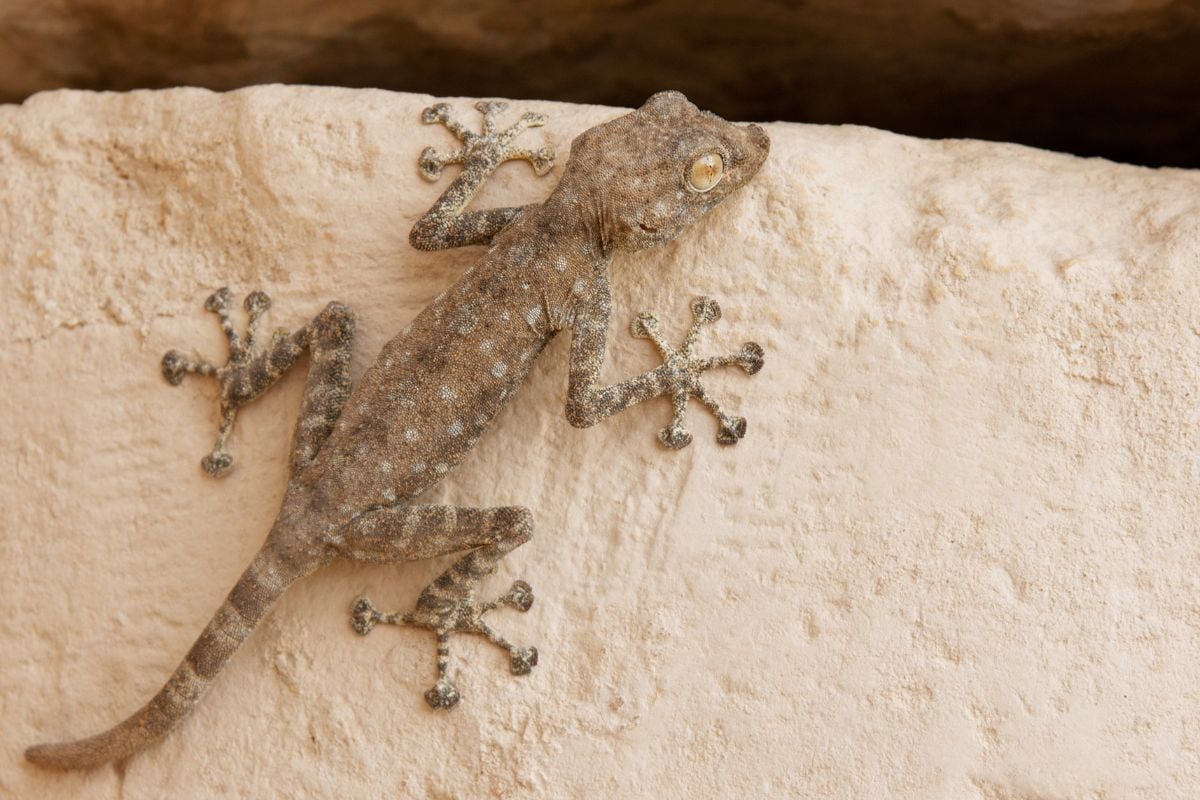
Fan footed geckos are a unique and captivating species of reptile that have been gaining popularity among pet owners in recent years.
With their striking colors, fan-like feet, and gentle personalities, these curious little creatures make for an ideal pet.
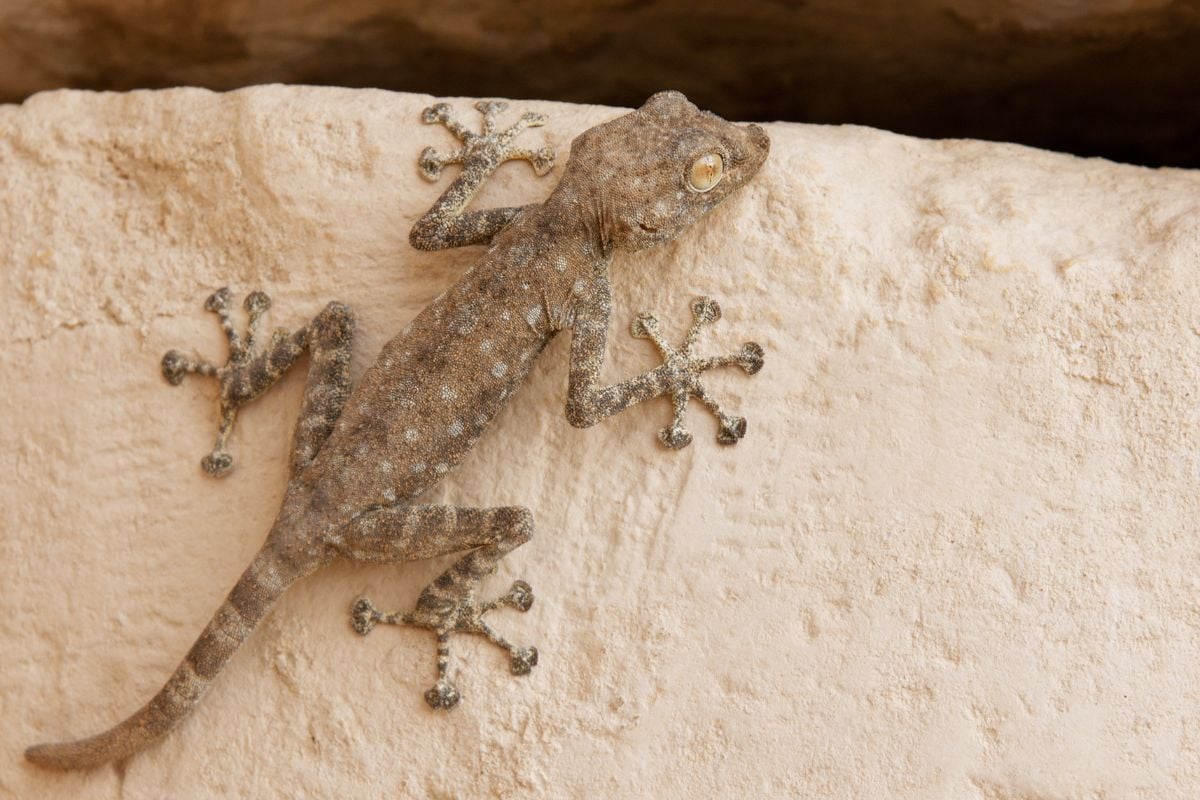
But before you bring one home, there are a few things to consider when it comes to proper fan footed gecko care.
From setting up the perfect habitat to understanding the diet and breeding needs of these geckos, this care sheet will provide all the information you need to keep your new scaly friend happy and healthy.
Natural History
Fan footed geckos are native to parts of North and West Africa, as well as the Middle East. Though they can be found in a variety of habitats, these geckos typically prefer dry climates such as deserts and savannahs.
They tend to hide away during the day and come out at night to feed on insects, small lizards, and even other small mammals.
They have an impressive defense mechanism that allows them to puff up their bodies when threatened. With a lifespan of up to 10 years, these geckos make for interesting long-term companions with proper care!
Housing
Housing a fan footed gecko is not too difficult, but there are some key factors to consider. Firstly, you will need an enclosure that is at least 60 cm long, 60 cm deep and 30 cm high.
The enclosure should have large vents and glass sliding doors for ventilation.
This will ensure the enclosure has the correct temperature gradient and allows heat and humidity to escape from one side of the enclosure to the other, while keeping the basking spot itself at a consistent temperature.
Additionally, try to provide more decorations when they are young, as they can be a little shy.
Heating
Heating your fan footed gecko’s enclosure is an essential part of their care.
Proper enclosures should have a temperature gradient, with one side reaching around 84 °F and the other side at 77 °F and ensuring the nighttime temperature stays above 62F.
This can be achieved by placing a specialised lamp on the warmer side of the enclosure, which should be surrounded by a guard to protect the gecko from the heat.
The lamp should be connected to a dimming thermostat to ensure that temperatures do not exceed safe levels. Finally, keep in mind that the basking lamp shouldn’t be left on 24 hours.
Decoration
Decorating your fan footed gecko’s enclosure is a great way to add some personality to your pet’s home!
Setting up the right decorations in their enclosure gives them places to hide, climb, bask, and just generally feel safe.
To make sure you find the best decorations for your gecko, look for hard pieces like rocks and wood that won’t absorb moisture. If you prefer a more natural look, consider using soil or clay mixed with sand for aeration.
Keep in mind that geckos love warm objects like rocks and wood, so these can be used as secondary belly heat sources.
With a bit of creativity and love, you can make your fan footed gecko’s enclosure a truly special place!
Diet & Water
Feeding and watering your fan footed gecko is essential for its health. Your gecko should receive a variety of live insects such as crickets, waxworms, meal worms, locusts, calciworms, and cockroaches.
You can also offer them a variety of fruits and vegetables as treats. Avoid overfeeding as this can lead to obesity.
For water, you can provide your gecko with either a shallow bowl or mist them directly with a spray bottle every couple of days. Make sure to change the water regularly to keep it fresh and clean.
It’s also important to provide your gecko with enough humidity in their enclosure (around 40-60%) to ensure they stay hydrated as sometimes, especially in the early stages, they won’t drink from a bowl.
Breeding
Breeding fan footed geckos can be an exciting and rewarding process, but you should do your research first to ensure a successful outcome.
If you decide to breed your geckos, you should introduce a male and female into the same enclosure and let nature take its course.
Some keepers use the ‘burmation’ technique, which involves shortening the light cycle.
Make sure the conditions are suitable for breeding, such as providing adequate humidity levels in the enclosure. The female gecko may also need access to a nesting box if she is gravid (pregnant).
It’s important to know what you plan on doing with any eggs that are laid or babies that are born before attempting to breed.
After all, taking on the responsibility of caring for baby geckos is not something to be taken lightly!
Cleaning
Cleaning your fan footed gecko’s enclosure is essential for its well-being. The best way to keep the environment clean is by spot cleaning every day, and doing a full clean once a month or so.
When you are ready to clean, it’s essential to remove your gecko from the enclosure first, as well as any decorations and bedding.
Once everything is removed, you can spray the entire enclosure with reptile-friendly disinfectant.
If you are using a bio-active setup, it may be necessary to change out the bedding every few months in order to ensure that the environment remains healthy.
Where To Purchase Fan Footed Geckos
If you’re looking to buy a fan footed gecko, the best place to start your search is at a pet store that specializes in reptiles.
These stores typically carry a wide variety of geckos, and the fan footed gecko is a popular pet, so you should be able to find one there.
Make sure you ask the staff for advice on the gecko’s care and feeding requirements, so that you can be sure to give your new pet the best possible start in life.
Another great option for finding fan footed geckos is online. There are a variety of websites that specialize in selling reptiles, and many of them offer fan footed geckos.
You can often find a wide selection of colors and morphs, and the prices are typically very reasonable.
Be sure to read the reviews of each website before making your purchase, so that you can be sure you’re getting a healthy, well-cared-for gecko.
Conclusion
In conclusion, fan footed geckos make amazing pets for those who are willing to put in the time and effort to care for them.
With proper nutrition, hydration, temperature, and humidity levels, your fan footed gecko will live a happy and healthy life.

This is what inspired me to start The-Lizard-Lounge.com. I wanted to create a space that offers information about the care of various reptiles and lizards, to help those passionate about these animals learn how to care for them.
Join me, and learn all about these fascinating and fantastic creatures!
- Can Leopard Geckos Eat Silkworms? - March 11, 2024
- Do Leopard Geckos Climb? - March 4, 2024
- Do Leopard Geckos Bask? The Answer Will Surprise You - February 21, 2024